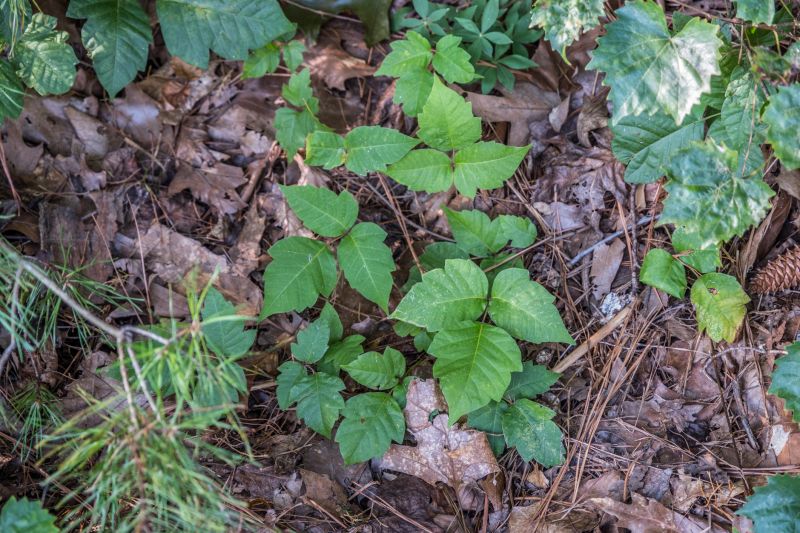
Poison Ivy Removal in Burlington County, NJ
Poison ivy removal services are designed to safely eliminate this common plant from residential properties, helping homeowners maintain a safe outdoor environment. These services typically cover a range of projects, including clearing poison ivy from yards, gardens, fences, and wooded areas, as well as managing overgrowth along property lines or near recreational spaces. Property owners often seek this service to prevent skin irritation and allergic reactions caused by contact with the plant, especially in areas where children and pets play.
Before requesting poison ivy removal, property owners usually want to understand the extent of the infestation, the methods used for removal, and whether the plant will be fully eradicated to prevent regrowth. It’s also helpful to know if the removal process involves cutting, digging, or chemical treatments, and how these might impact surrounding plants or landscaping. Clear communication about these details can ensure the project aligns with safety and property maintenance goals.
Many property owners in Burlington County, NJ look into Poison Ivy Removal for repairs, replacements, upgrades, and appearance-related improvements.
Understanding Poison Ivy
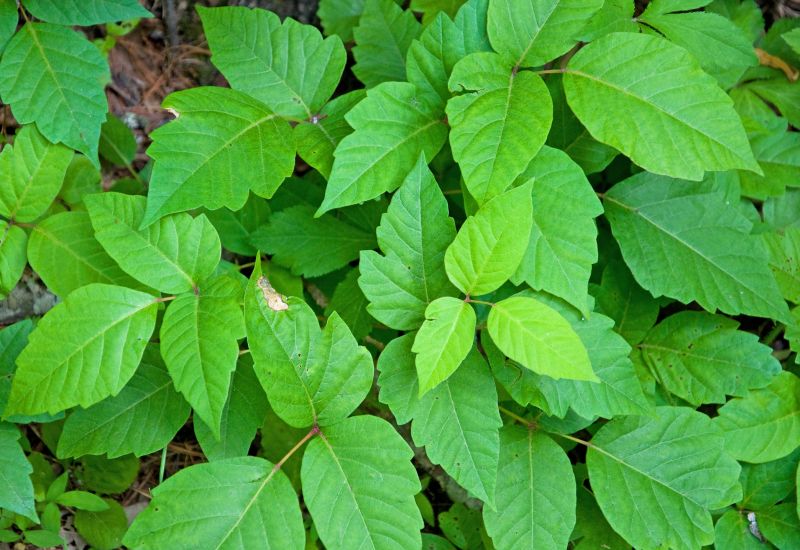
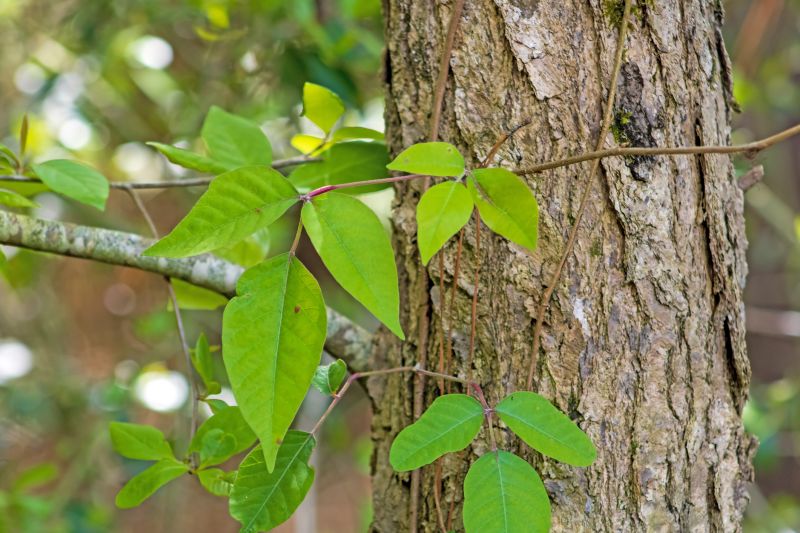
Poison ivy can grow on trees, fences, and ground cover across burlington county and nearby areas.
Signs Of Poison Ivy
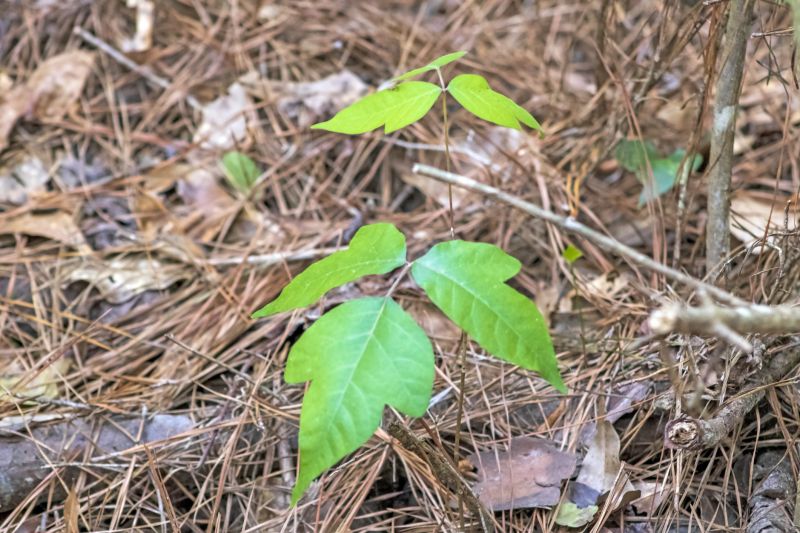
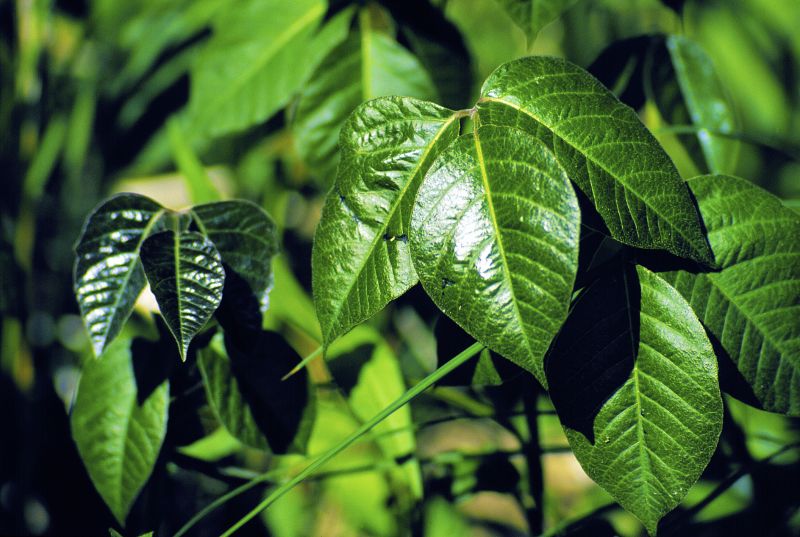
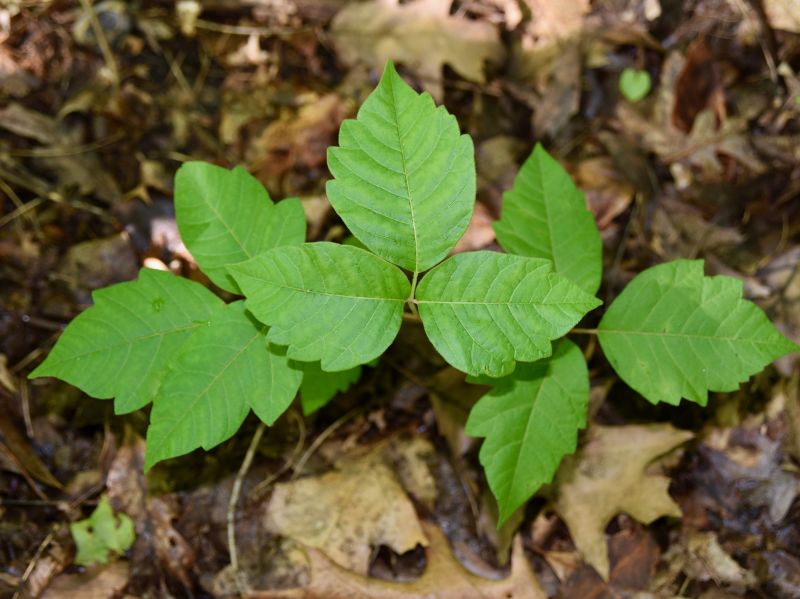
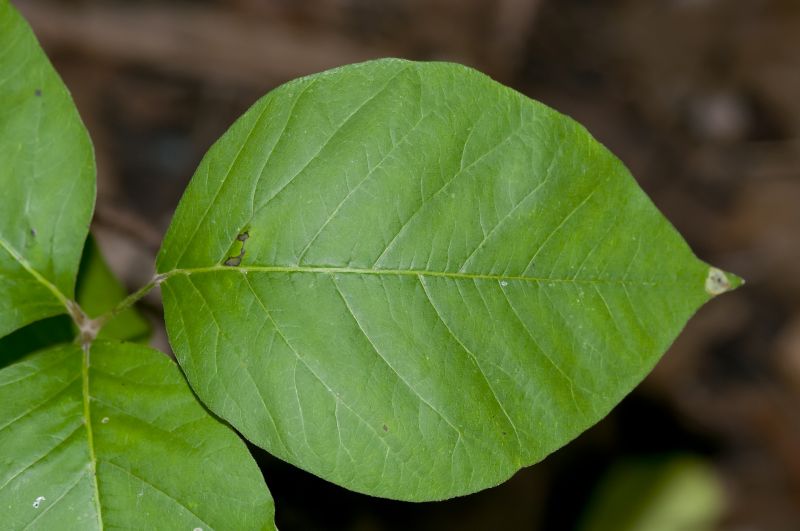
Identifying the characteristic three-leaf clusters helps property owners spot and address infestations early.
Removal Considerations
Professional removal ensures safe and effective clearing of poison ivy from residential and commercial properties.
Poison Ivy Removal in Burlington County, NJ
Poison ivy removal services are designed to safely eliminate this common plant from residential properties, helping homeowners maintain a safe outdoor environment. These services typically cover a range of projects, including clearing poison ivy from yards, gardens, fences, and wooded areas, as well as managing overgrowth along property lines or near recreational spaces. Property owners often seek this service to prevent skin irritation and allergic reactions caused by contact with the plant, especially in areas where children and pets play.
Before requesting poison ivy removal, property owners usually want to understand the extent of the infestation, the methods used for removal, and whether the plant will be fully eradicated to prevent regrowth. It’s also helpful to know if the removal process involves cutting, digging, or chemical treatments, and how these might impact surrounding plants or landscaping. Clear communication about these details can ensure the project aligns with safety and property maintenance goals.
Many property owners in Burlington County, NJ look into Poison Ivy Removal for repairs, replacements, upgrades, and appearance-related improvements.
Common Poison Ivy Removal Jobs
Poison Ivy Removal - Safe elimination of poison ivy from lawns, gardens, and wooded areas.
Landscape Clearing - Removing poison ivy to restore natural beauty and prevent spread.
Property Maintenance - Regular removal to keep yards safe and free of harmful plants.
Overgrown Area Cleanup - Clearing thick patches of poison ivy from neglected spaces.
Fence Line Clearing - Removing poison ivy along fences and property boundaries.
Yard Restoration - Reclaiming outdoor spaces after poison ivy removal is completed.
Poison Ivy Removal Questions
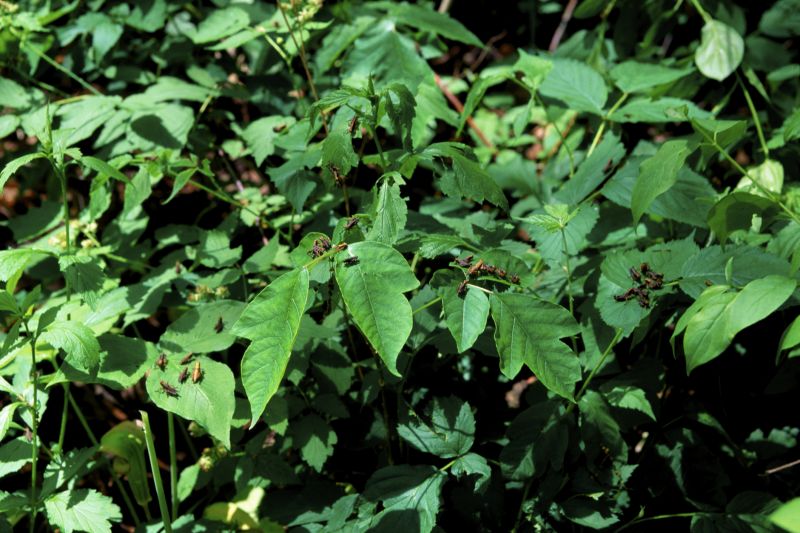
What is poison ivy removal? Poison ivy removal involves safely eliminating the plant to prevent skin irritation and property damage.
When should poison ivy be removed? Removal is recommended when poison ivy is found in high-traffic areas, near walkways, or on trees and fences.
How is poison ivy removed? The process typically includes cutting back the plant and applying targeted herbicides or physical removal methods.
Is professional poison ivy removal necessary? Yes, professionals ensure safe and effective removal, especially for large or difficult-to-access plants.
Request Poison Ivy Removal in Burlington County, NJ
Use the quote form on this page to share the basics of your project and request more information for the type of work you need.