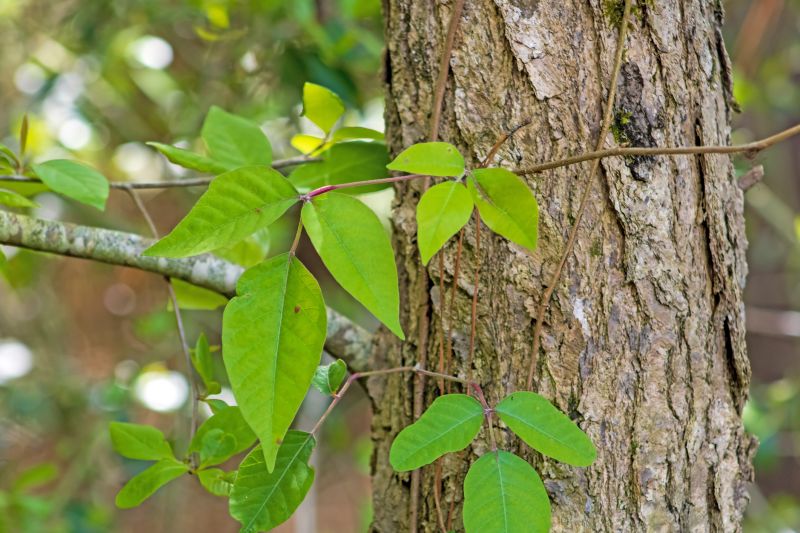
Poison Oak Removal in Philadelphia, PA
Poison oak removal services focus on safely eliminating this hazardous plant from residential properties. These services typically address overgrown patches in yards, gardens, or wooded areas, especially where the plant poses a risk to children, pets, or anyone who might come into contact with it. Property owners often request removal when poison oak has become invasive, is causing skin irritation, or is encroaching on outdoor living spaces, making it difficult to enjoy the yard safely. The process involves identifying the plant, carefully removing it, and disposing of it properly to prevent regrowth and minimize health hazards.
Before requesting poison oak removal, property owners generally want to understand the extent of the infestation and the best methods for removal, whether through manual clearing or chemical treatments. It’s also important to consider nearby plants and landscaping to avoid unintended damage. Clear communication about the size of the affected area, the presence of children or pets, and any specific safety concerns can help ensure the removal process is effective and safe. Proper removal can restore outdoor spaces and reduce the risk of allergic reactions or skin irritation.
Many property owners in Philadelphia, PA look into Poison Oak Removal for repairs, replacements, upgrades, and appearance-related improvements.
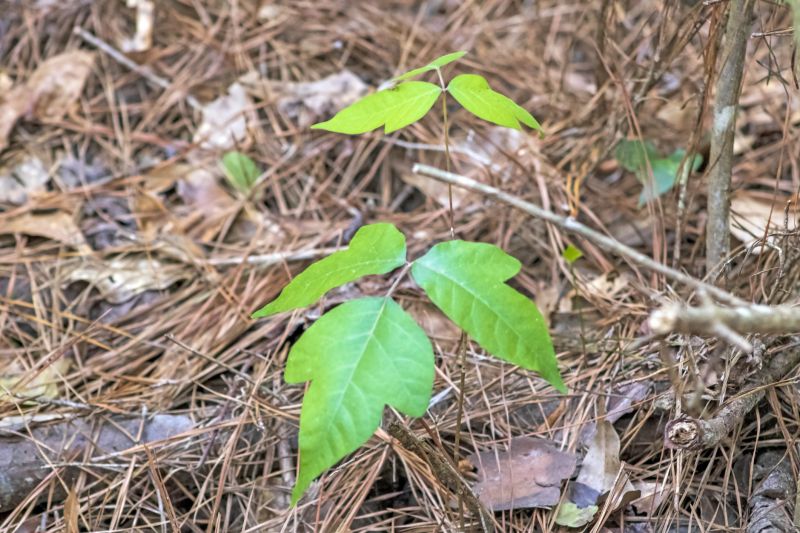
Poison Oak Identification
Understanding the signs of poison oak helps prevent accidental contact on residential and commercial properties.
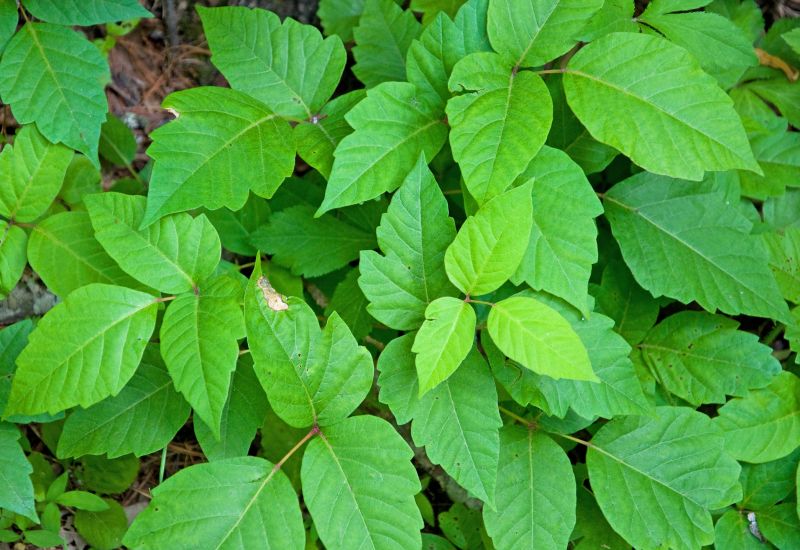
Safety And Removal
Professional removal services ensure safe and effective clearing of poison oak from yards and natural areas.
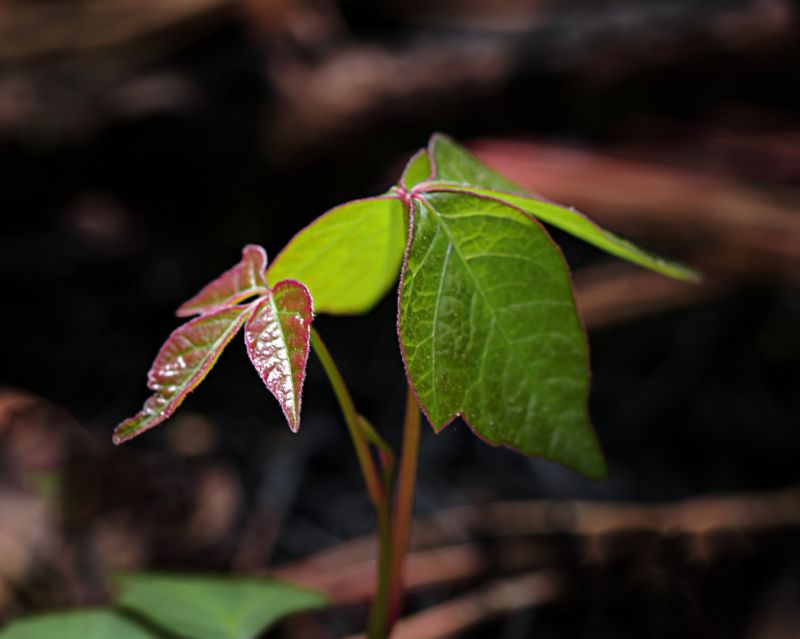
Property Maintenance
Regular management of overgrown areas minimizes the risk of poison oak exposure for homeowners and visitors in philadelphia, pa.
Poison Oak Removal in Philadelphia, PA
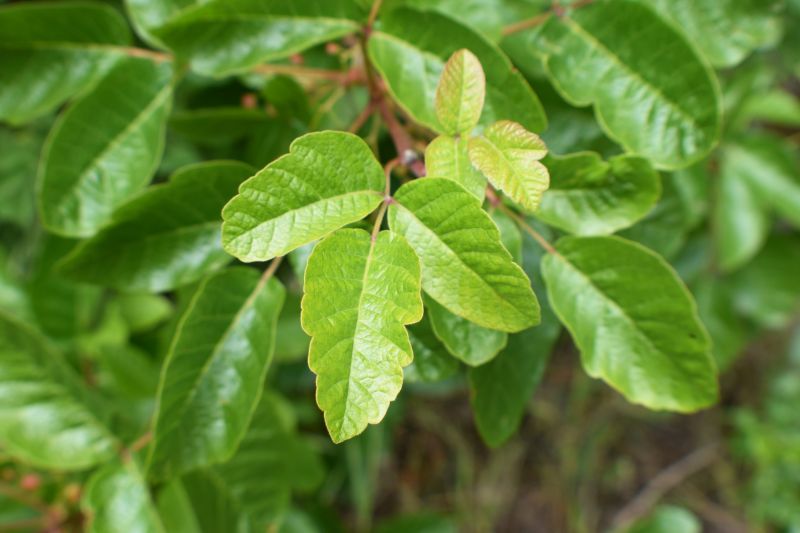
Poison oak removal services focus on safely eliminating this hazardous plant from residential properties. These services typically address overgrown patches in yards, gardens, or wooded areas, especially where the plant poses a risk to children, pets, or anyone who might come into contact with it. Property owners often request removal when poison oak has become invasive, is causing skin irritation, or is encroaching on outdoor living spaces, making it difficult to enjoy the yard safely. The process involves identifying the plant, carefully removing it, and disposing of it properly to prevent regrowth and minimize health hazards.
Before requesting poison oak removal, property owners generally want to understand the extent of the infestation and the best methods for removal, whether through manual clearing or chemical treatments. It’s also important to consider nearby plants and landscaping to avoid unintended damage. Clear communication about the size of the affected area, the presence of children or pets, and any specific safety concerns can help ensure the removal process is effective and safe. Proper removal can restore outdoor spaces and reduce the risk of allergic reactions or skin irritation.
Many property owners in Philadelphia, PA look into Poison Oak Removal for repairs, replacements, upgrades, and appearance-related improvements.
Common Poison Oak Removal Jobs
Poison Oak Removal - Safely eliminates poison oak plants from residential landscapes.
Yard Clearing - Removes poison oak along fences, trails, and garden beds.
Property Cleanup - Clears overgrown areas with poison oak to improve safety and appearance.
Vegetation Control - Targets invasive poison oak to prevent spread and regrowth.
Landscaping Assistance - Integrates poison oak removal into yard renovation projects.
Preventative Treatment - Applies measures to reduce future poison oak growth on properties.
Poison Oak Removal Questions
What is poison oak removal? Poison oak removal involves safely eliminating the plant to prevent skin irritation and allergic reactions on your property.
When should poison oak be removed? Removal is recommended when the plant is growing in accessible areas or near pathways to reduce exposure risks.
What areas are typically treated for poison oak? Common treatment areas include yards, trails, fences, and around outdoor structures where the plant is present.
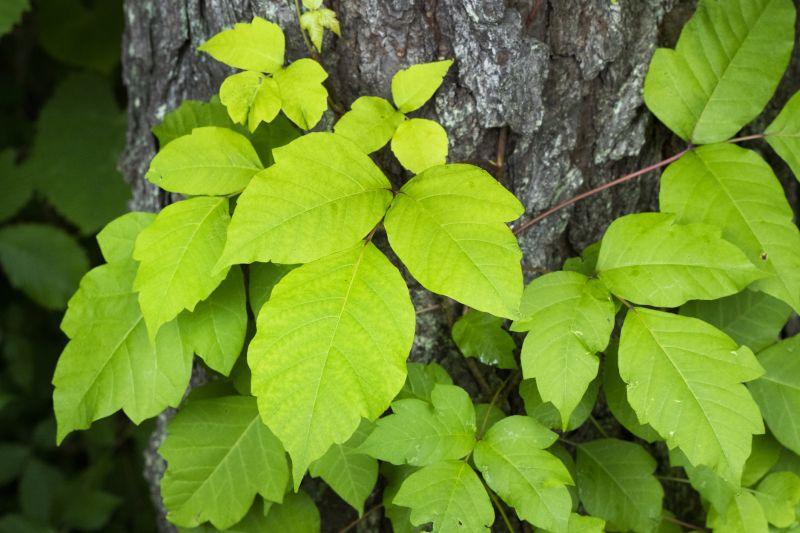
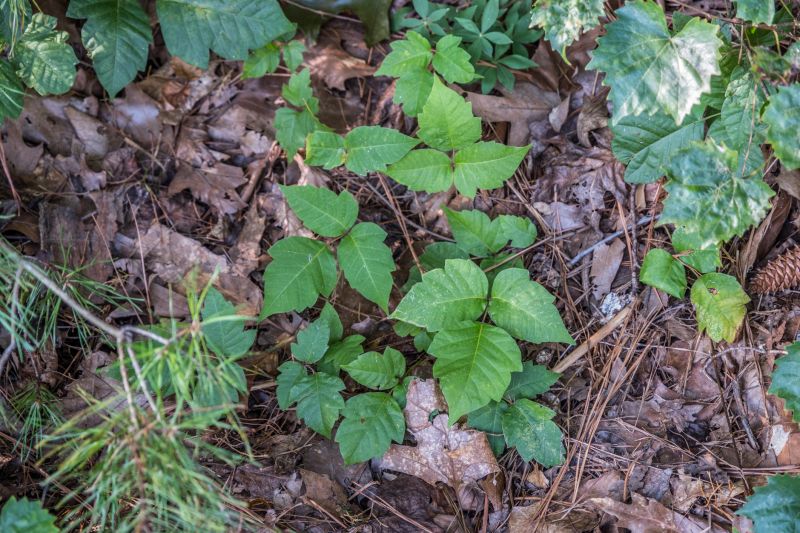
How can poison oak be identified? Poison oak has clusters of leaves that resemble oak trees, often with a shiny or matte surface, and can vary in color from green to reddish in fall.
Request Poison Oak Removal in Philadelphia, PA
Use the quote form on this page to share the basics of your project and request more information for the type of work you need.