Poison Ivy Removal in Lancaster, PA
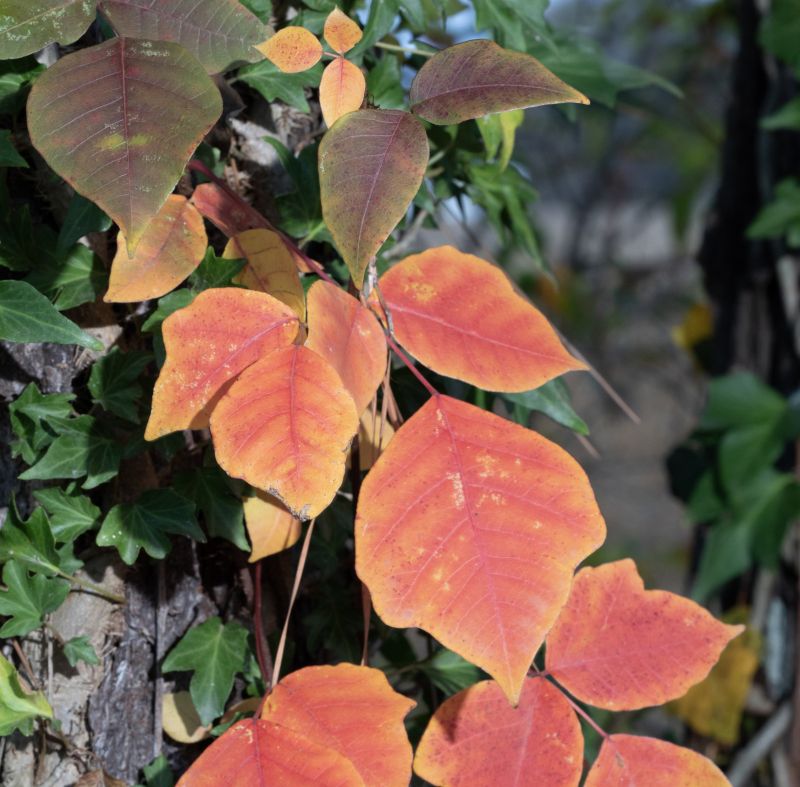
Poison ivy removal services focus on safely eliminating this invasive plant from residential properties, including yards, gardens, and landscaping areas. These services typically address projects such as clearing poison ivy from trees, fences, shrubs, and ground cover to prevent the spread and reduce health risks associated with contact. Property owners often seek this service to protect family members, pets, and visitors from allergic reactions and skin irritation caused by exposure to poison ivy’s urushiol oil.
Before requesting poison ivy removal, property owners should consider the extent of the infestation, the locations where the plant is growing, and any nearby structures or vegetation that might be affected. Understanding the size of the affected area and the complexity of the removal process helps in planning and ensuring safety during the project. It’s also helpful to inquire about the methods used to ensure complete removal and prevent regrowth, especially in areas with sensitive landscaping or high foot traffic.
Many property owners in Lancaster, PA look into Poison Ivy Removal for repairs, replacements, upgrades, and appearance-related improvements.
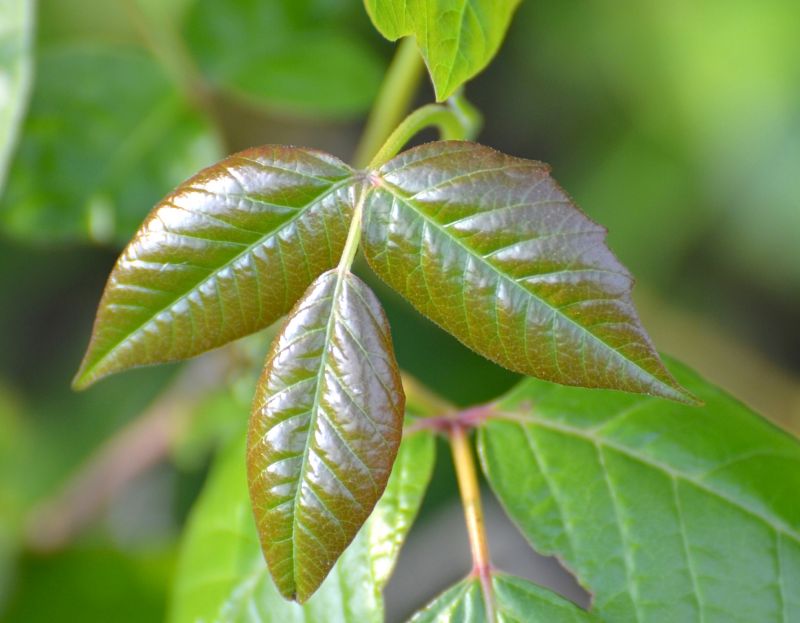
Identifying Poison Ivy
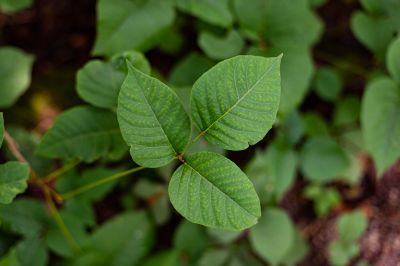
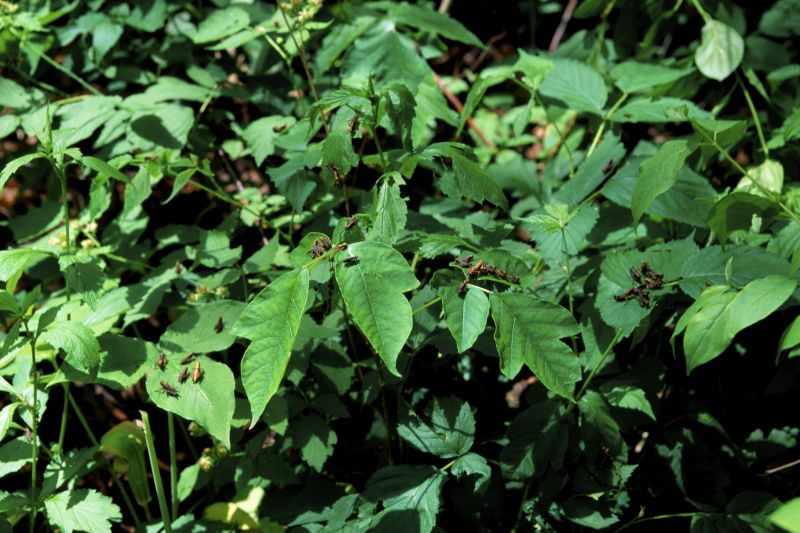
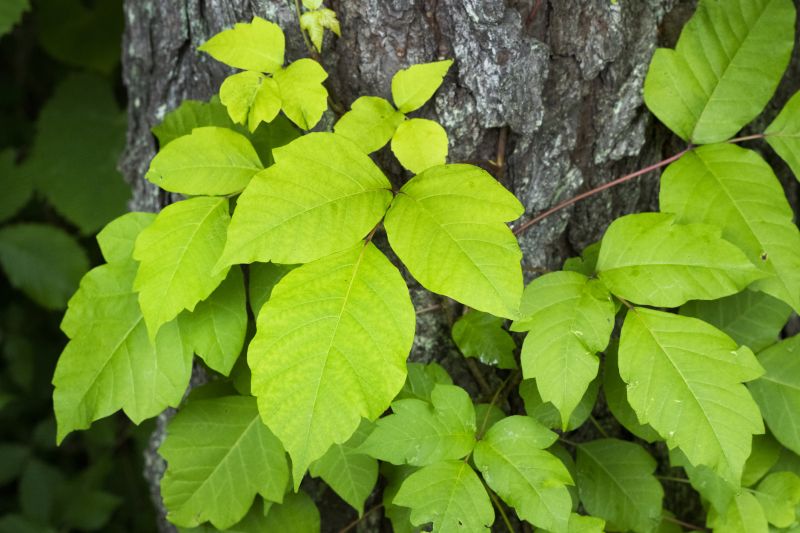
Understanding how to spot poison ivy helps protect your property and loved ones.
Preventing Spread
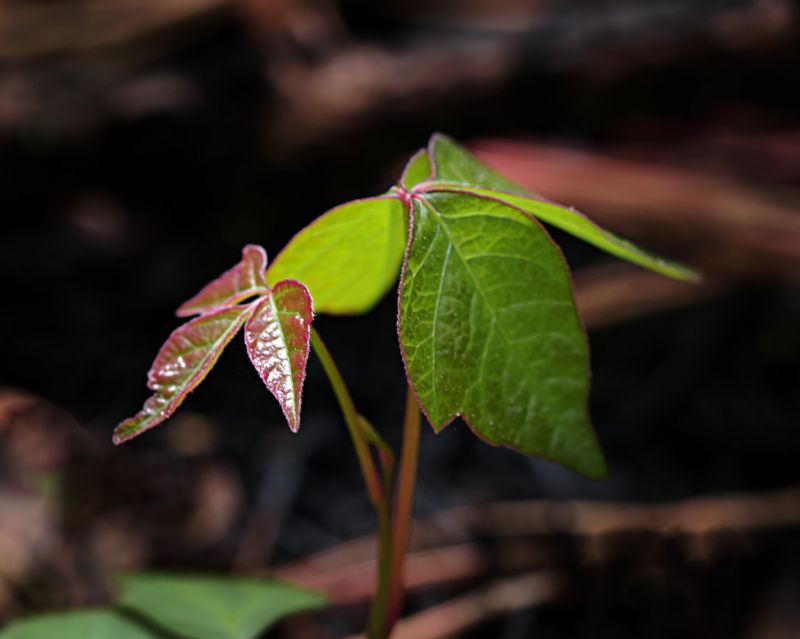
Proper removal techniques minimize the risk of poison ivy spreading to surrounding areas.
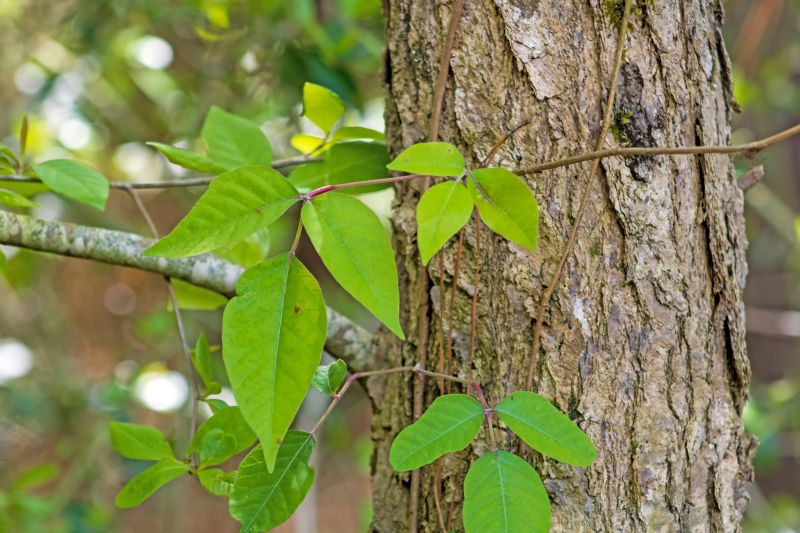
Safe Removal Methods
Professional removal ensures the plant is safely eliminated without damaging your landscape.
Poison Ivy Removal in Lancaster, PA
Poison ivy removal services focus on safely eliminating this invasive plant from residential properties, including yards, gardens, and landscaping areas. These services typically address projects such as clearing poison ivy from trees, fences, shrubs, and ground cover to prevent the spread and reduce health risks associated with contact. Property owners often seek this service to protect family members, pets, and visitors from allergic reactions and skin irritation caused by exposure to poison ivy’s urushiol oil.
Before requesting poison ivy removal, property owners should consider the extent of the infestation, the locations where the plant is growing, and any nearby structures or vegetation that might be affected. Understanding the size of the affected area and the complexity of the removal process helps in planning and ensuring safety during the project. It’s also helpful to inquire about the methods used to ensure complete removal and prevent regrowth, especially in areas with sensitive landscaping or high foot traffic.
Many property owners in Lancaster, PA look into Poison Ivy Removal for repairs, replacements, upgrades, and appearance-related improvements.
Common Poison Ivy Removal Jobs
Poison Ivy Removal - Safely eliminates poison ivy from lawns, gardens, and landscape areas.
Poison Ivy Clearing - Removes invasive plants that pose risks to children and pets.
Poison Ivy Control - Implements strategies to prevent regrowth in affected areas.
Poison Ivy Eradication - Uses targeted methods to completely eliminate poison ivy plants.
Poison Ivy Treatment - Applies effective techniques to treat and manage poison ivy growth.
Poison Ivy Cleanup - Restores landscape appearance after poison ivy removal is completed.
Poison Ivy Removal Questions
What is poison ivy removal? Poison ivy removal involves safely eliminating the plant from a property to prevent skin irritation and environmental spread.
When should poison ivy be removed? Removal is recommended when poison ivy is growing in areas accessible to people or pets, especially near pathways or yard spaces.
Are there safety concerns with poison ivy removal? Yes, proper protective equipment is important to prevent skin contact and allergic reactions during removal.
What types of properties typically need poison ivy removal? Residential yards, commercial properties, and public parks often require removal when poison ivy is present.
Request Poison Ivy Removal in Lancaster, PA
Use the quote form on this page to share the basics of your project and request more information for the type of work you need.